
The Meadow Keeps Time
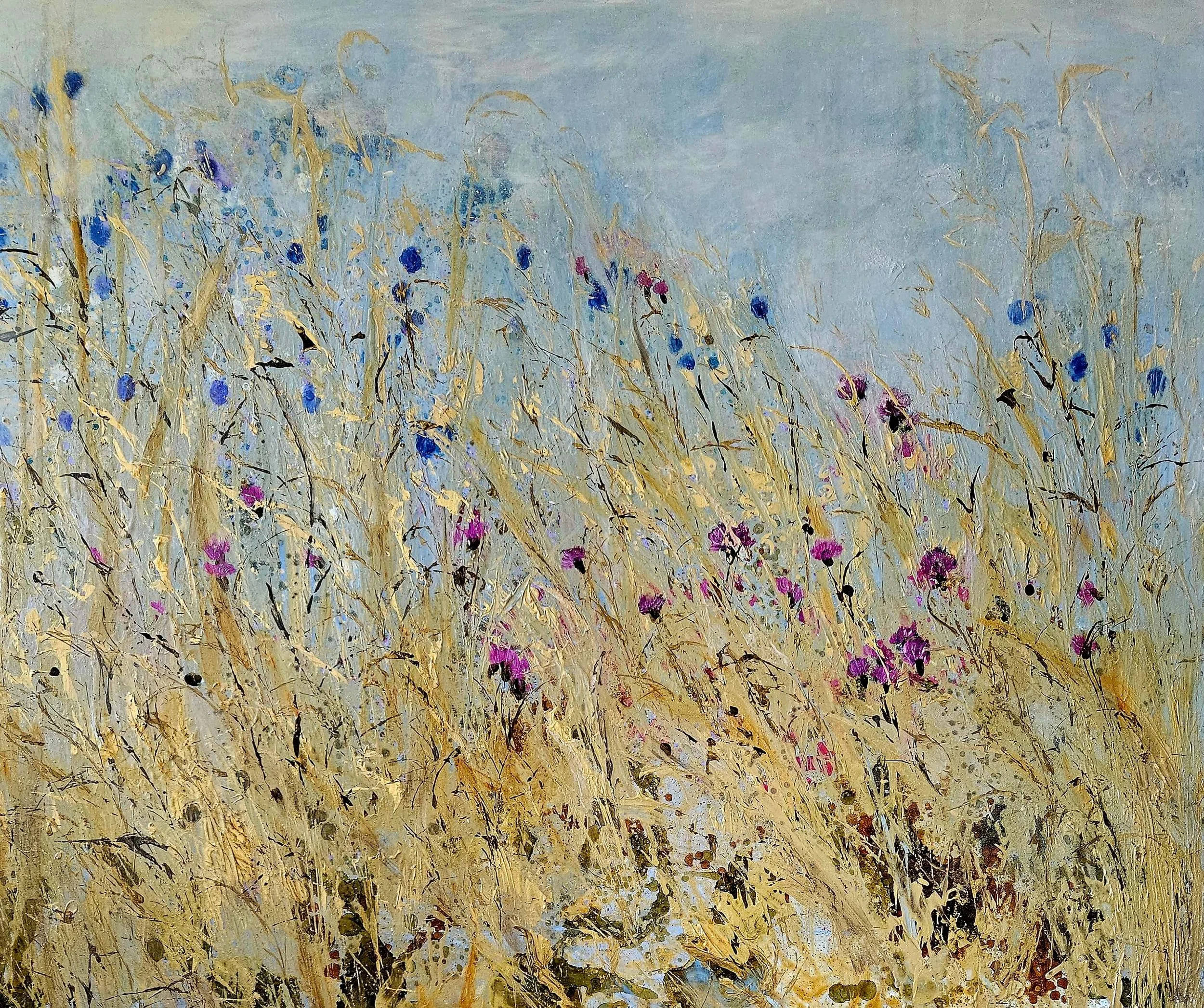
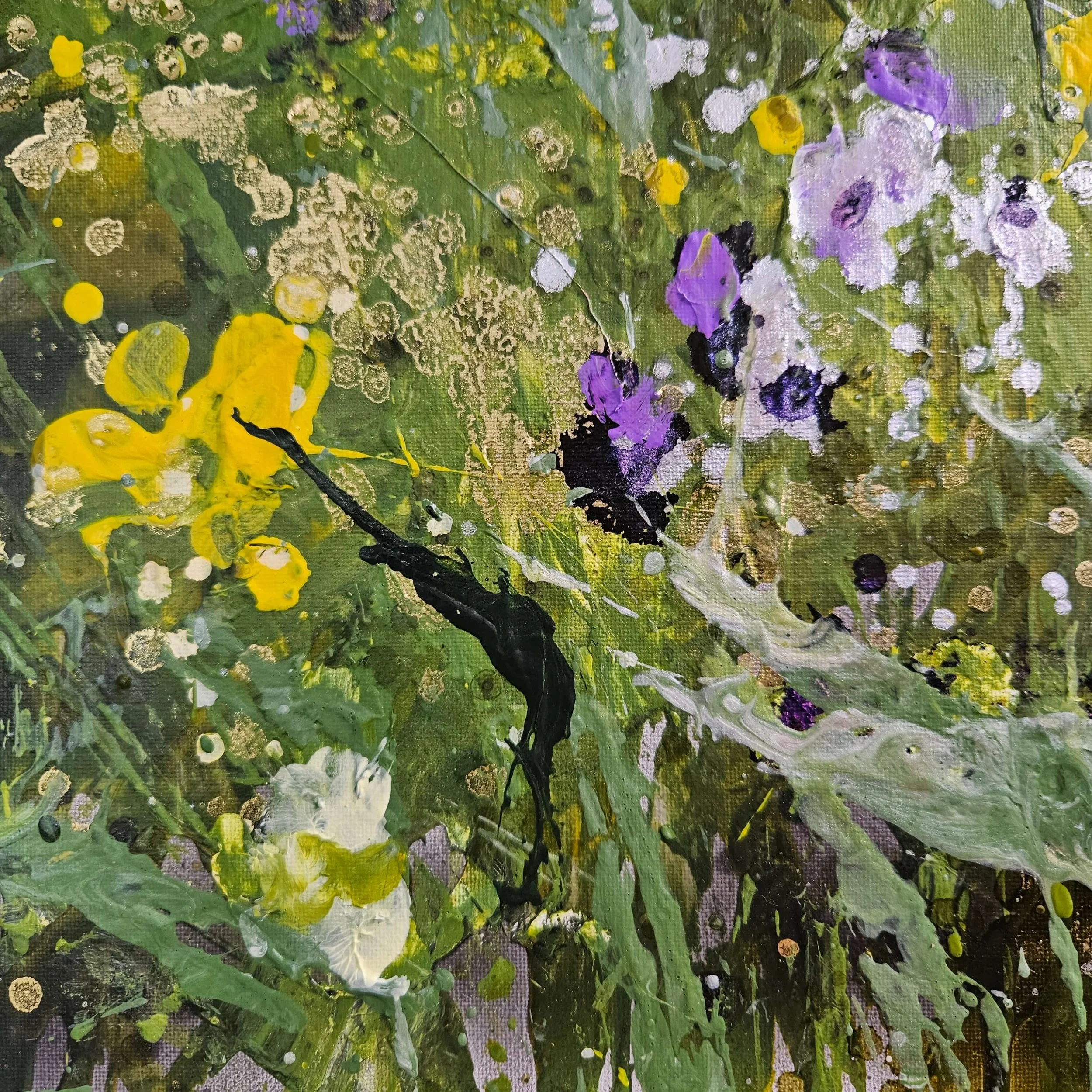
The Longest Day, 2026, 100×120cms
Over the past few weeks I've been working on three large paintings for the Affordable Art Fair in Boston.
Like most artists, I spend a lot of time looking at paintings individually while they're being made. They move around the studio, lean against walls and are rarely seen together until they're finished.
My studio is tiny and, for much of the year, I begin paintings outside in the courtyard. I spend a lot of time looking at paintings individually while they're being made. They move between the studio and outdoors, lean against walls, and are rarely seen together until they're finished.
Only then did I notice something I hadn't been aware of while I was painting them.
They weren't simply three meadow paintings.
They were three different moments in time.
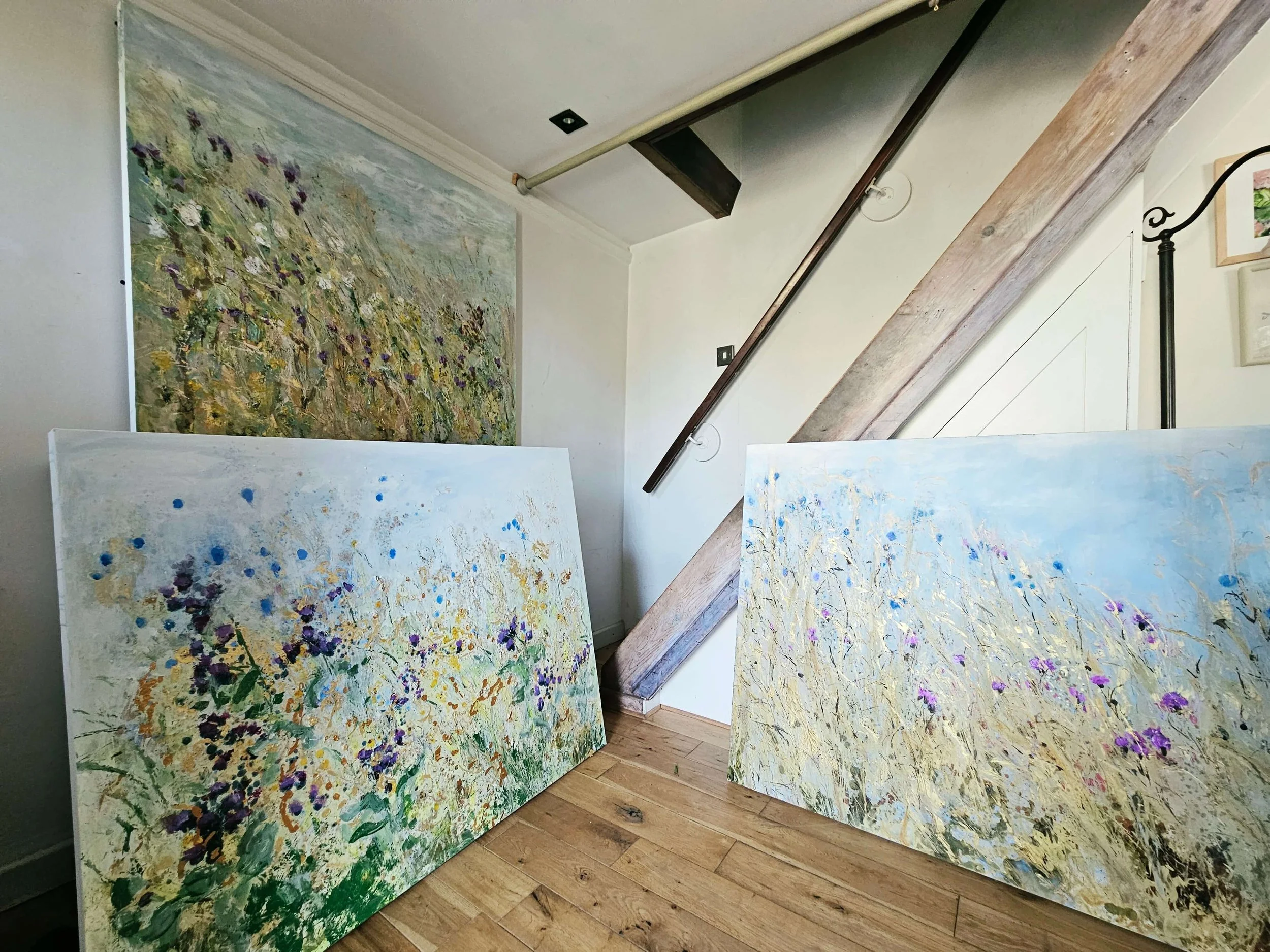
3 new paintings
The first painting became Listening to Time. While I was working on it, I found myself thinking less about individual flowers than about the quiet spaces between them. It carries the feeling of one of those still summer mornings when birdsong, insects and the movement of air seem more noticeable than anything else.
The second became The Longest Day. Painted around the summer solstice, it gathers something of midsummer itself — warmth, abundance and that extraordinary sense that daylight might simply continue forever.
The third painting surprised me most. Summer was still all around me. The knapweed was flowering, the grasses were sun-bleached, everything remained luminous. Yet somehow the atmosphere had shifted. There was more wind in the painting, more weather, and that almost imperceptible feeling that the year had quietly begun to turn.

Listening to Time, 2026, 100×120 cms
I've always painted the changing seasons.
A meadow is never the same from one week to the next. Flowers emerge, grasses seed, colours soften, light changes almost without us noticing. But seeing these three paintings together made me recognise something that had been quietly happening. I wasn't really painting different places.
I was painting different experiences of time.
Not time measured by clocks or calendars, but by light, weather and the subtle rhythm of the year.
As I thought about it, I realised this has probably always been part of my work. Certain flowers return again and again; ox-eye daisies, knapweed, buttercups, meadow grasses, not simply because I love them, but because each one tells me something about where we are in the year.
They become markers of time.
Perhaps that's why I return to meadows so often.
Not because they stay the same. Because they never do.
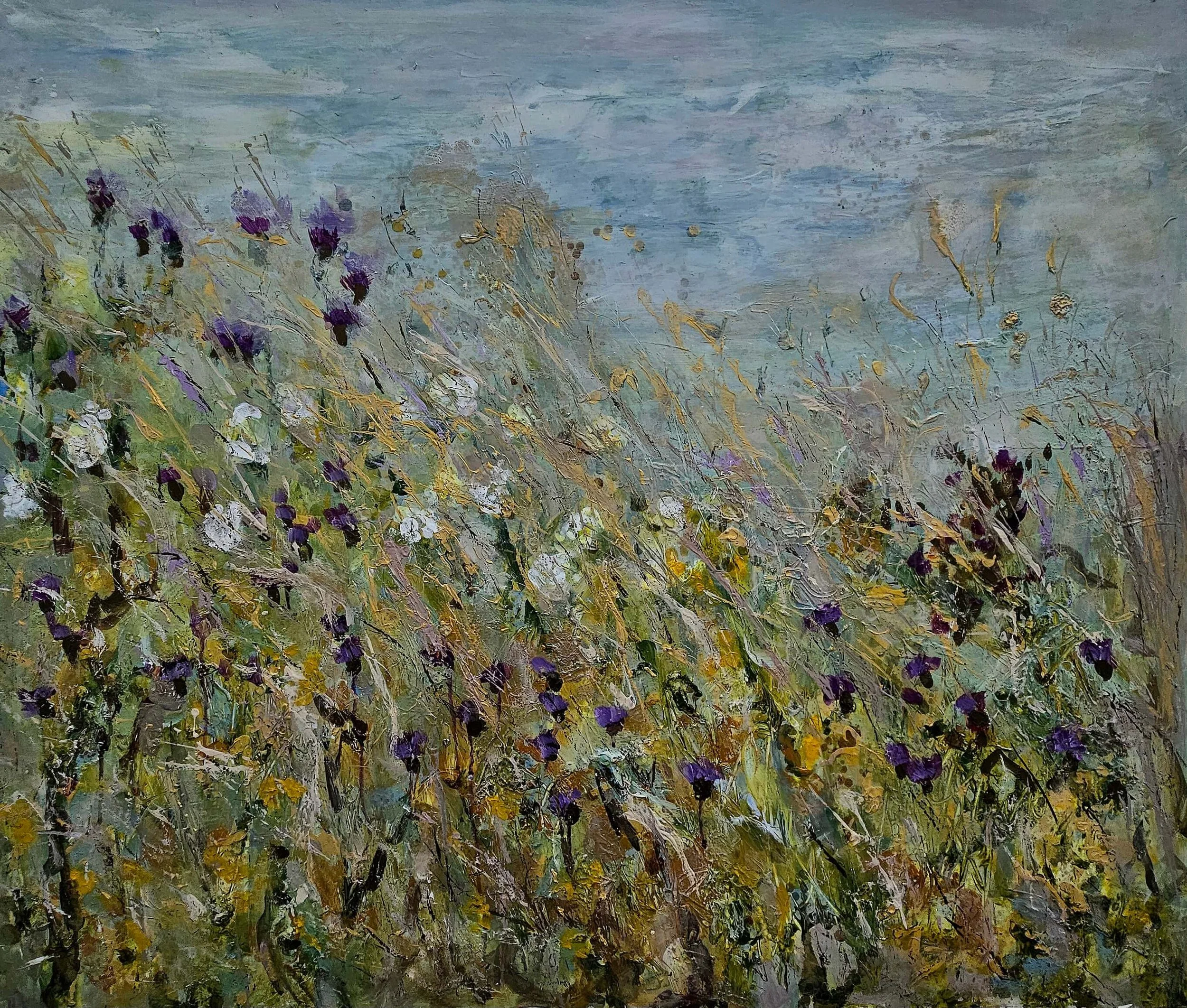
Summer’s Turning, 2026, 100×120cms
The meadow is where I notice things I might otherwise miss: the quality of the light, the direction of the wind, the first seed heads catching the sun, or that almost invisible moment after the solstice when the days are still long but, somehow, the year has already begun to turn.
Those quiet transitions have always fascinated me.
Standing in my sitting room, surrounded by these three canvases, I realised they had been guiding me towards something I hadn't quite found the words for before.
Perhaps what I've been painting all along isn't simply the landscape itself.
Perhaps it's the experience of moving through time within it.
More from the blog …
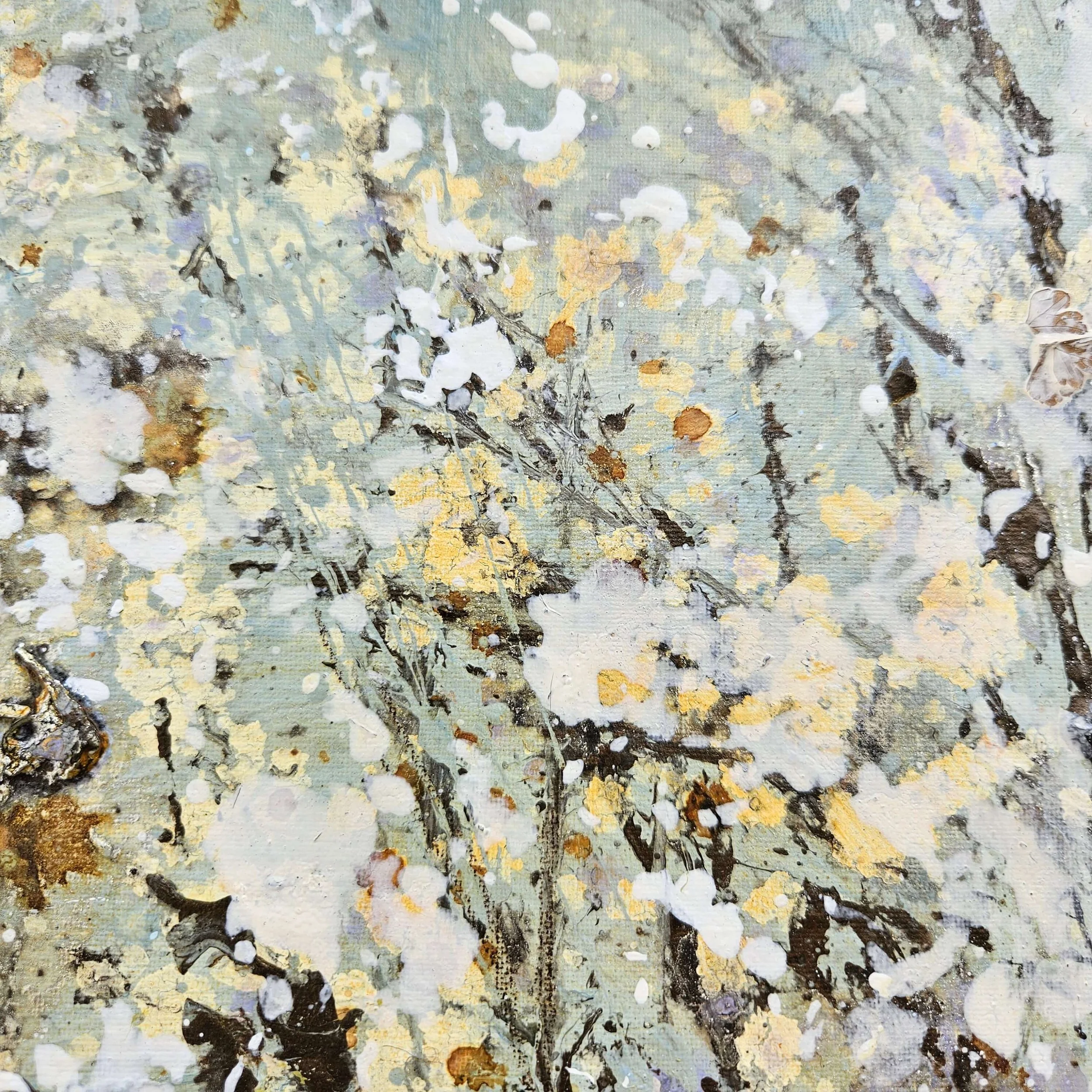

The Enchantment Of Bluebells