
Fairyland, Wonder, and Attention: Painting Through Careful Seeing
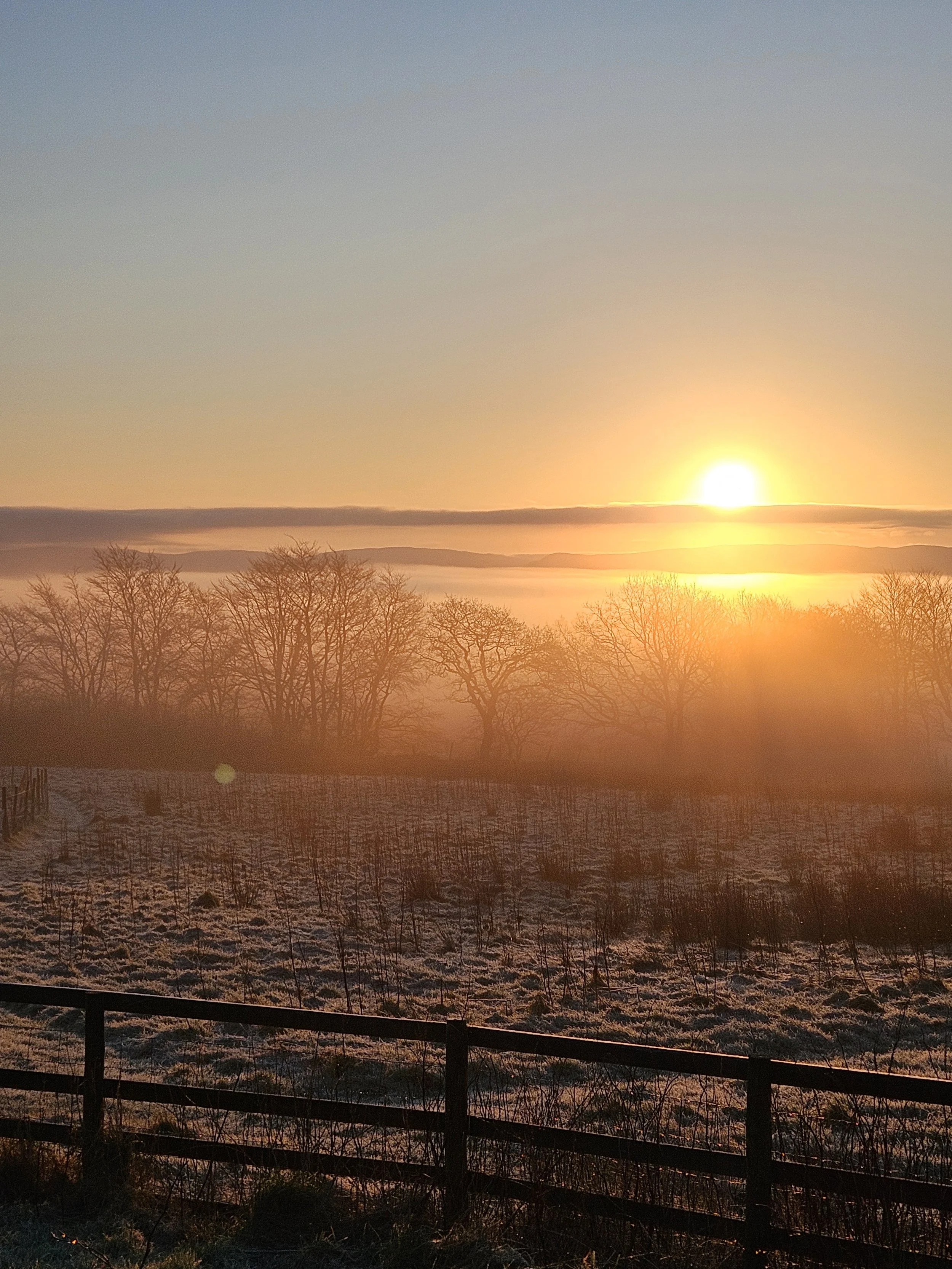
Being in a new place sharpens my attention, making colour, plants, and landscape feel momentarily heightened, as if the world has stepped closer. Travel often creates this sense of fairyland for me — not in the sense of escapism, but in the way unfamiliar light, weather, and vegetation ask me to look more carefully than usual.
In these moments, attention becomes an active practice: slowing down, noticing shifts in colour, and allowing wonder to arise from what might otherwise be overlooked. This way of looking has followed me from childhood through my work as a painter, shaping how I approach landscape not as something observed from a distance, but as a space to enter and experience from within.
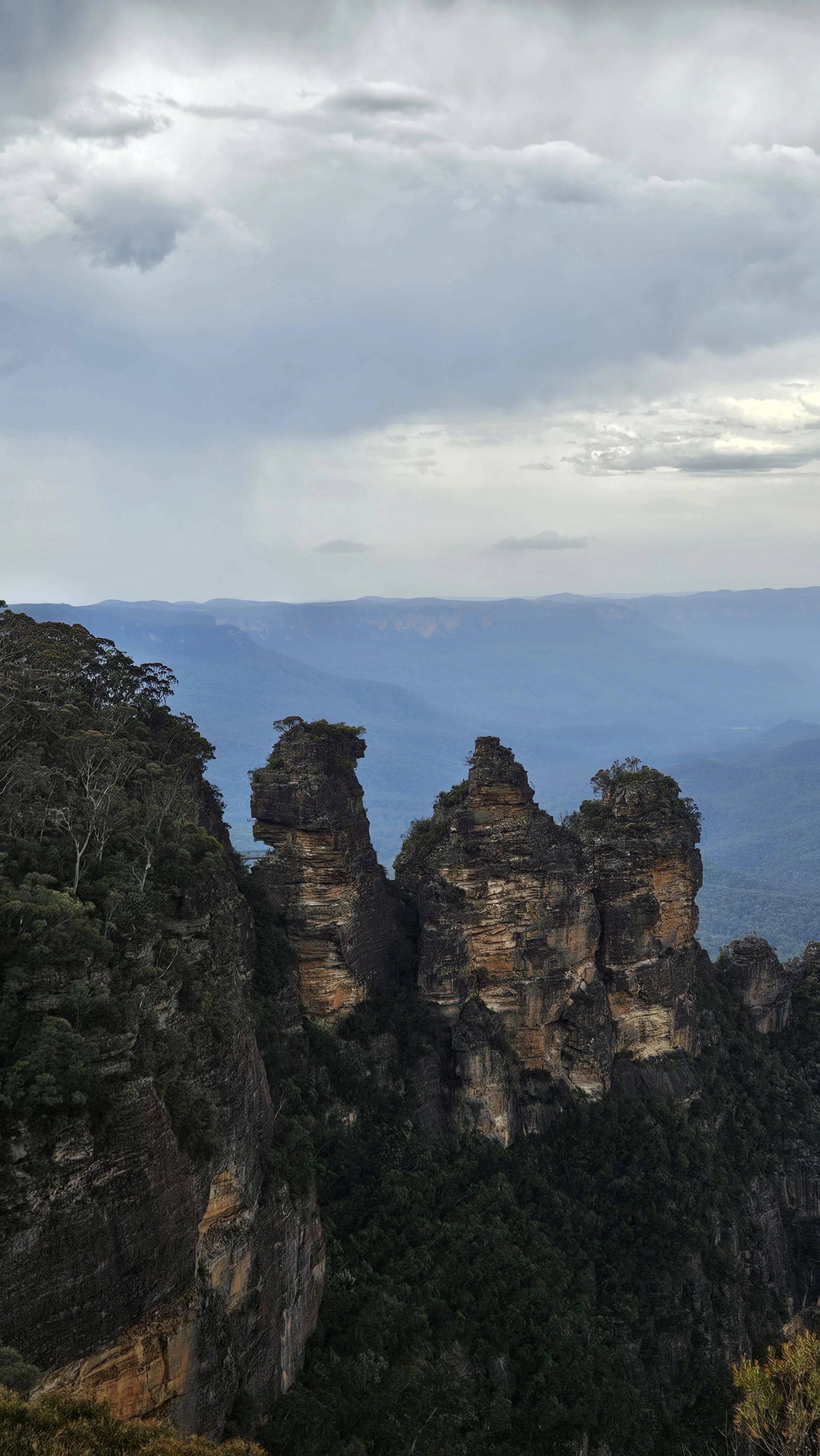
I was reminded of this strongly during my recent time in Australia, where the landscape felt both unfamiliar and strangely heightened, as if it required a different kind of seeing. The idea of fairyland returned to me there, not as a romantic notion, but as a description of what happens when attention is fully engaged with place.
Seeing Before Naming
This kind of wonder is quiet and disciplined, rooted in observation rather than fantasy, and it has become central to how I understand both travel and painting. John Berger writes that seeing comes before words, suggesting that our understanding of the world begins not with explanation, but with perception. This feels closely aligned with my own experience of fairyland - not as something imagined, but as something encountered through sustained looking, before it is named or understood.
Georgiana Molloy and the Practice of Wonder
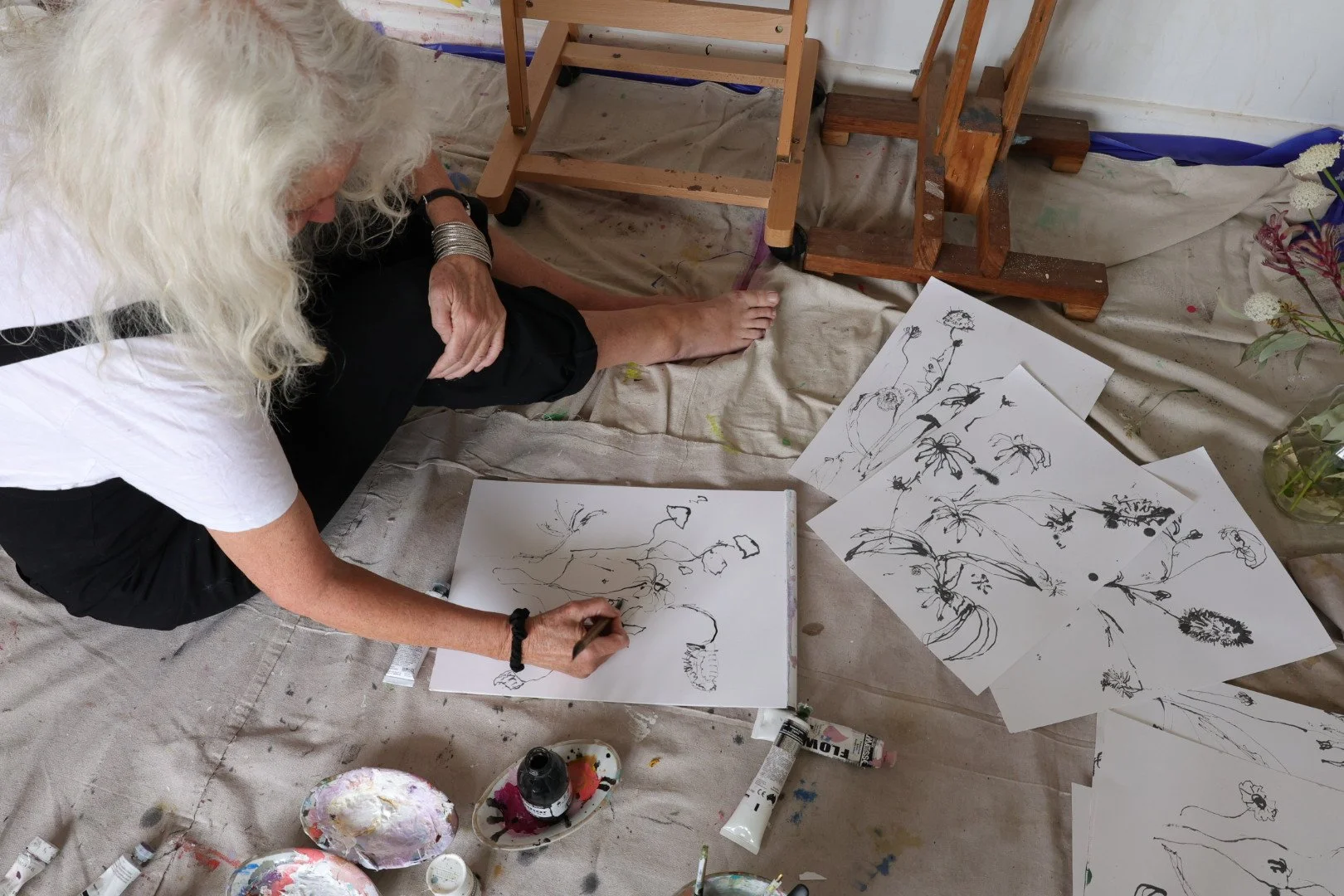
This way of seeing connects closely to the writings of Georgiana Molloy, who described her experience of encountering Australian plant life as a kind of fairyland shaped by careful attention rather than novelty alone. Writing in the nineteenth century, Molloy recorded plants with a mixture of precision and delight, responding to their unfamiliar forms and colours with patience, curiosity, and care. Her descriptions suggest that fairyland is not a place apart from the real world, but a way of meeting it fully.
Returning
In February I will be returning to Wales, I’m aware of how this heightened attention travels with me, allowing landscapes to be seen again with renewed curiosity. The meadows, hedgerows, and paths begin to feel subtly altered: not because they have changed, but because my way of looking has.
In this sense, fairyland becomes something that can be entered anywhere, when time is taken to look closely and attention is allowed to settle. For me, painting is one way of sustaining that attention: holding onto the wonder that arises from careful looking and translating it into colour, surface, and rhythm.
The work that comes out of this process is less about depicting a specific place and more about conveying the feeling of being immersed within it. Whether I am working with meadow grasses in Wales or drawing from memories of Australian flora, the aim remains the same — to create paintings that invite the viewer into a space of attentive looking.
In a time when attention is often pulled in many directions at once, I’m increasingly aware of how valuable it feels to linger, to notice small shifts, and to allow wonder to unfold slowly. This, perhaps, is the lasting gift of travel not the places themselves, but the way they teach us how to see more fully wherever we are.
I’m holding onto that lesson, allowing fairyland to remain not somewhere I’ve been, but a way of paying attention that continues to shape my work.
More from the blog …


The Enchantment Of Bluebells